Featured Posts


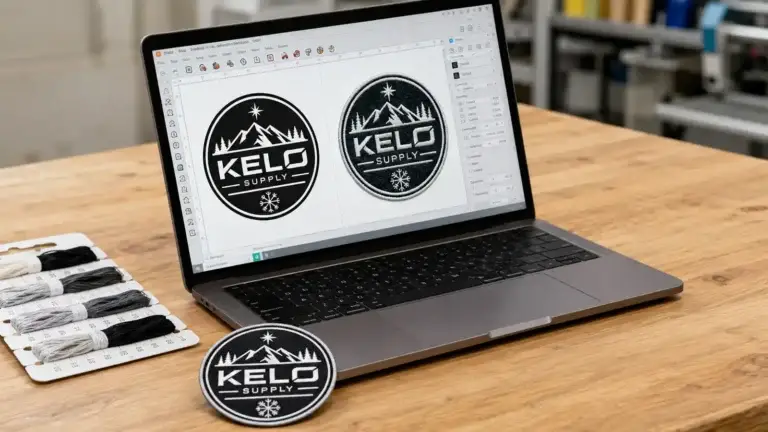
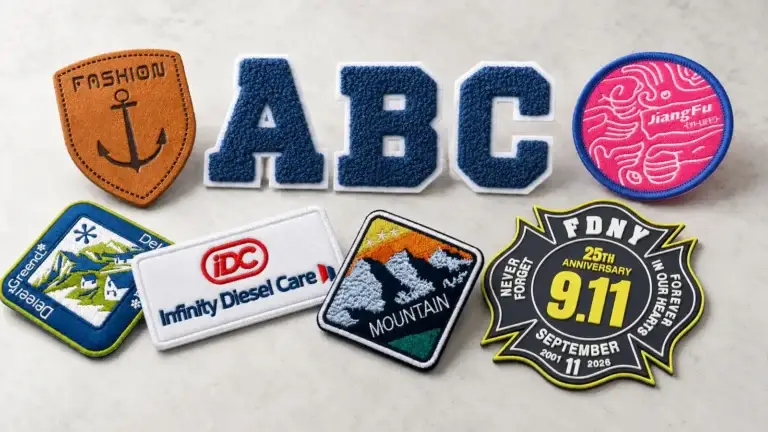
Selection of custom patches showing embroidered, chenille, leather, and PVC styles in different shapes, textures, and finishes.

What Are Custom Patches? Types, History, Uses & How to Choose the Right One

Learn what custom patches are, how they developed from hand embroidery to computerized production, and how embroidered, woven, chenille, printed, and PVC patches differ. This practical guide also explains common applications, backing options, direct embroidery, and what buyers should consider when choosing the right patch for a project.
Production, Quality & Sourcing Guides


Embroidery Techniques & Materials


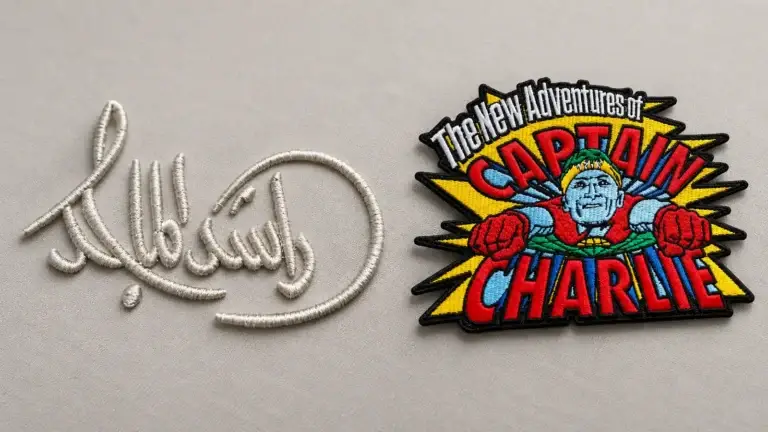
Raised white script embroidery beside a detailed multicolor flat embroidered patch on a neutral textile background

3D Puff Embroidery vs Flat Embroidery: Which Should You Choose?

3D puff embroidery places foam beneath selected stitches to create a bold, raised effect, while flat embroidery stitches directly onto the base for a lower profile and greater freedom with fine or complex artwork. This guide compares their appearance, design requirements, production steps, cost factors and best applications—and explains when both techniques can be combined.

Read More »
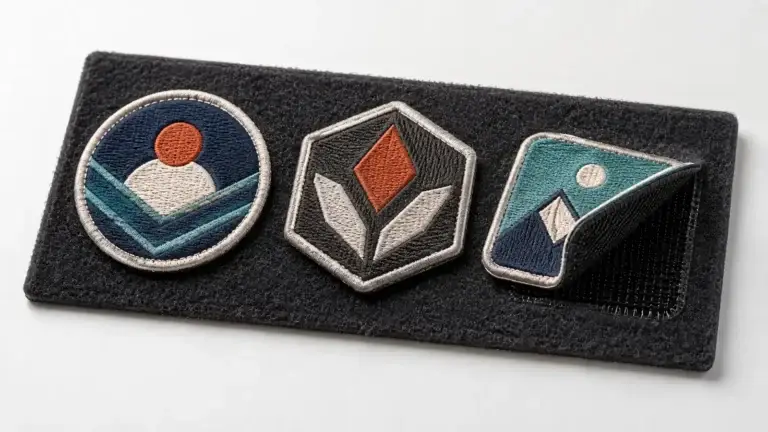
Three embroidered patches on a black loop panel, with one corner lifted to reveal the black hook backing

What Are Hook-and-Loop Embroidered Patches?

“Velcro embroidered patches” is a common search term for embroidered patches fitted with removable hook-and-loop backing. This guide explains their construction, where they work best, how they compare with sew-on and iron-on patches, and which details to confirm before ordering.

Read More »

Applications & Industry Solutions


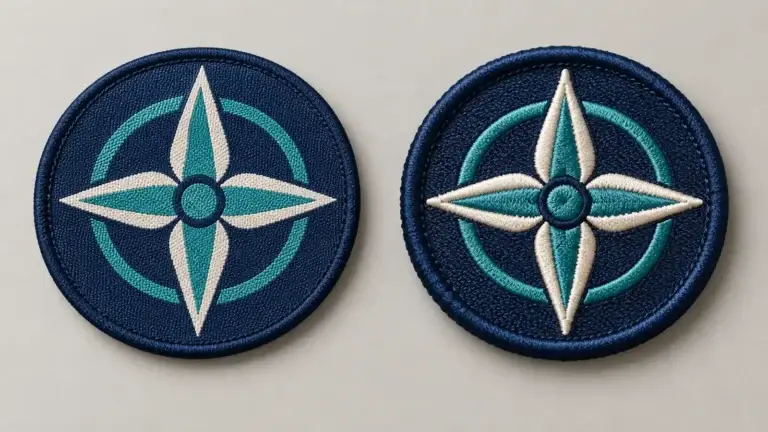
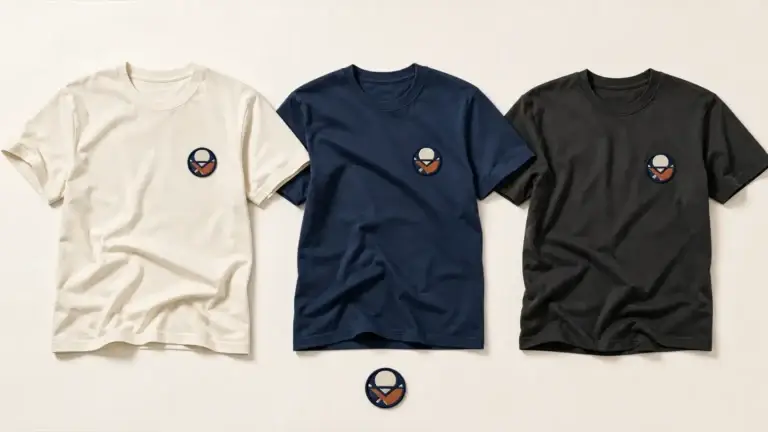
Three stock blank T-shirts in cream, navy, and charcoal using the same circular embroidered chest patch.

How to Build a Branded T-Shirt Line With Iron-On Embroidered Patches

Stock blank T-shirts and custom iron-on embroidered patches can form a practical, modular system for launching branded apparel. This guide explains how to select compatible garments, develop an embroidery-ready design, choose the right attachment method, test the finished shirt, and organize a small first collection without starting with a fully custom cut-and-sew garment.

Read More »